



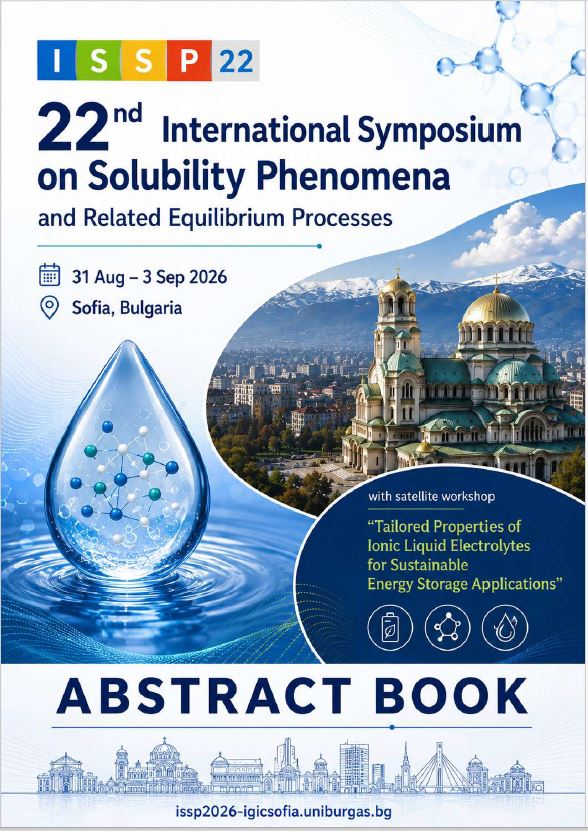
22nd International Symposium on Solubility Phenomena and Related Equilibrium Processes
31 August – 3 September 2026
Sofia, Bulgaria
With satellite workshop
“Tailored Properties of Ionic Liquid Electrolytes for Sustainable Energy Storage Applications”
Explore ISSP 2026
Organized by
Institute of General and Inorganic Chemistry
Bulgarian Academy of Sciences
Burgas State University
“Prof. Dr. Assen Zlatarov”
About ISSP 2026
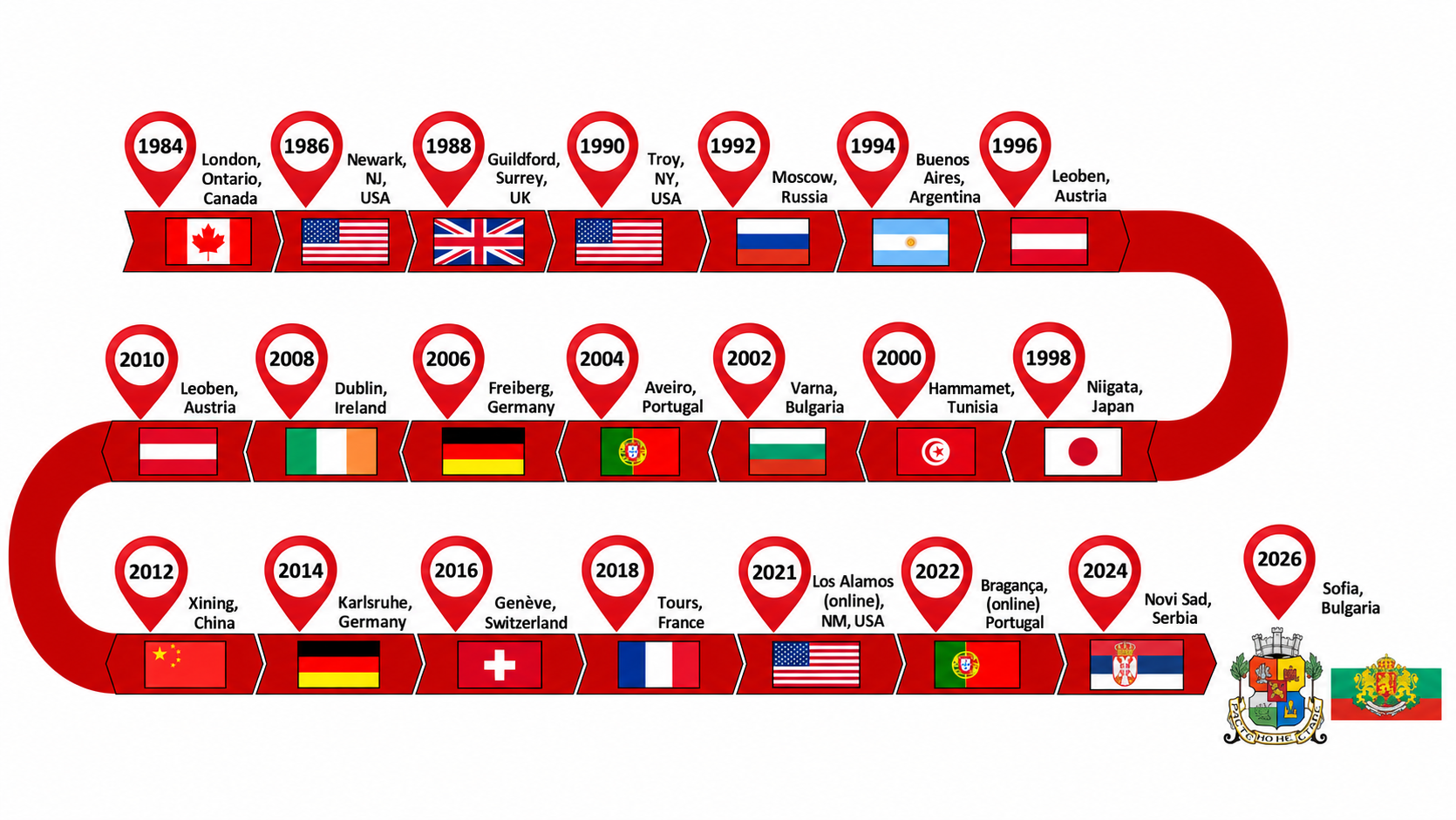
The 22nd International Symposium on Solubility Phenomena and Related Equilibrium Processes (ISSP 2026) was part of a long-standing international symposium series dedicated to the critical evaluation and understanding of solubility phenomena and related equilibrium processes.
The ISSP series has been organized biennially since 1984 under the auspices of the International Union of Pure and Applied Chemistry, particularly through its Subcommittee on Solubility and Equilibrium Data. The symposium provides an international forum for the exchange of scientific knowledge covering theoretical, computational, and experimental aspects of solubility, as well as applications relevant to industry, environmental systems, and sustainability.
ISSP 2026 addressed fundamental principles, methodological developments, and applied research, with emphasis on contemporary scientific and technological challenges. The program promoted interdisciplinary discussion and collaboration among researchers working from molecular-level concepts to macroscopic and applied systems.
The satellite workshop “Tailored Properties of Ionic Liquid Electrolytes for Sustainable Energy Storage Applications” complemented the main symposium. It focused on ionic-liquid-based electrolyte systems and highlighted the role of solubility phenomena in stability control, degradation mitigation, and extending the operational lifetime of energy-storage devices.
Supporting organizations and sponsors





Symposium topics
- Solubility PhenomenaTheories, experimental methods and analytics; aqueous solutions, deep eutectic solvents, molten salts, and solubility under extreme ionic strengths, temperatures and pressures.
- Advances in Computational ModelingThermodynamics, kinetics, and computational approaches—including ab initio methods, molecular dynamics, Monte Carlo and machine learning—for predicting and understanding solubility.
- Pharmaceutical and Biological SystemsDrug solubility and solubility in physiological and metabolic fluids.
- Environmental SystemsNatural waters and wastewater treatment, soil solutions and remediation, pollutant transport, contaminant dissolution and metal speciation.
- Industrial ApplicationsEco-friendly solvents, corrosion and materials durability, solubility-driven separations and extraction processes.
- Chemical Synthesis of Nanosized MaterialsReaction optimization, crystallization, extraction and purification.
Plenary lectures
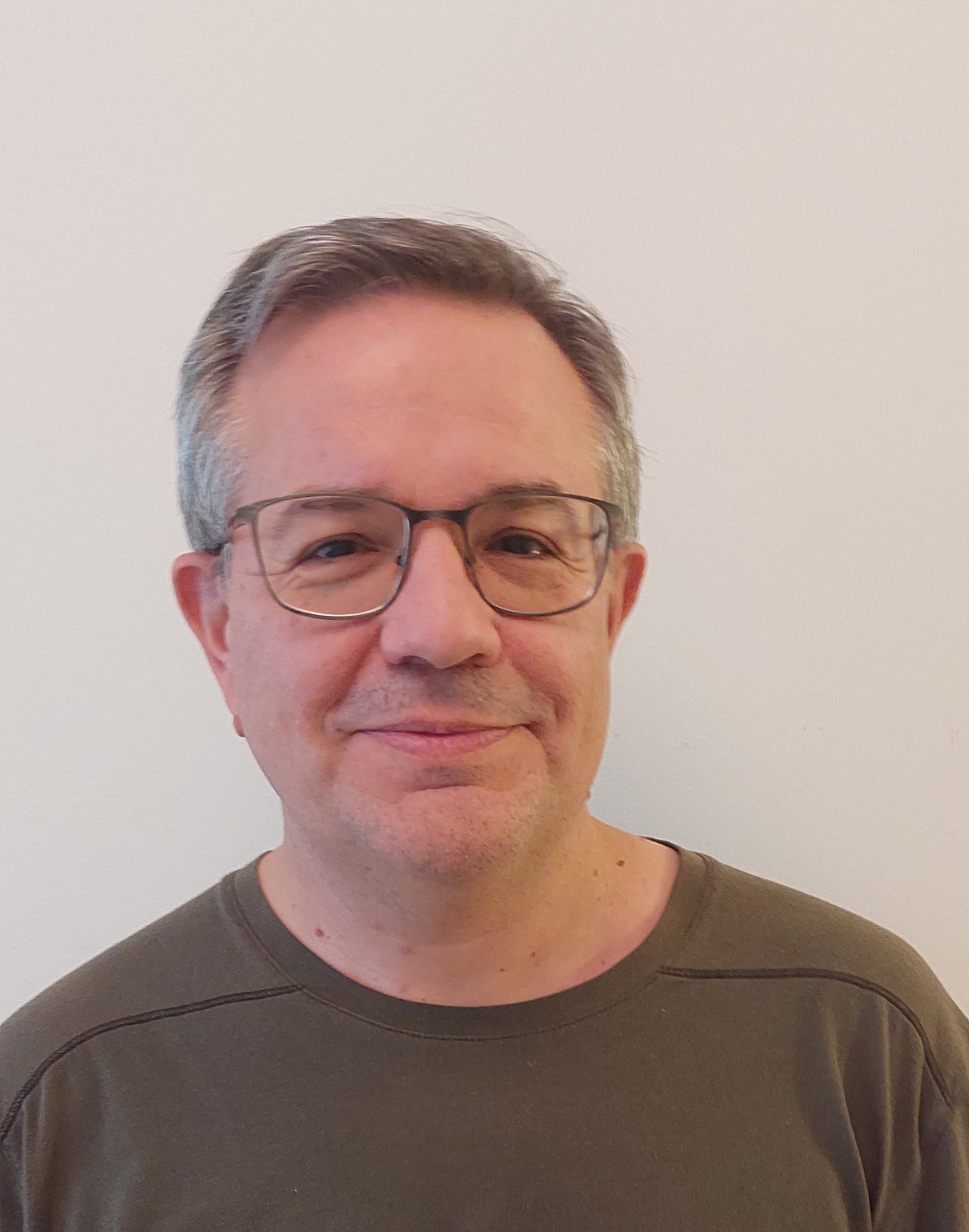
Prof. Dr. José Francisco Palomar Herrero
Autonomous University of Madrid, Spain
Using computational modeling to explore thermodynamic challenges in chemical process development
Research focus: Applied mathematics and computational methods, particularly the integration of multiscale simulation tools—from molecular design to process modeling—to optimize chemical processes with reduced environmental impact.

Prof. Dr. Vera Slaveykova
University of Geneva, Switzerland
Environmental Fate and Impact of Engineered Nanomaterials
Research focus: Speciation and bioavailability of trace elements and nanoparticles in aquatic environments; aquatic toxicology; transcriptomics and metabolomics; community ecotoxicology and biodiversity.

Prof. Dr. Wolfgang Voigt
TU Bergakademie Freiberg, Germany
Solubility data and experiments for lithium extraction and recycling
Research focus: Materials science, with particular emphasis on thermodynamics, phase equilibria, and the development and characterization of advanced materials.
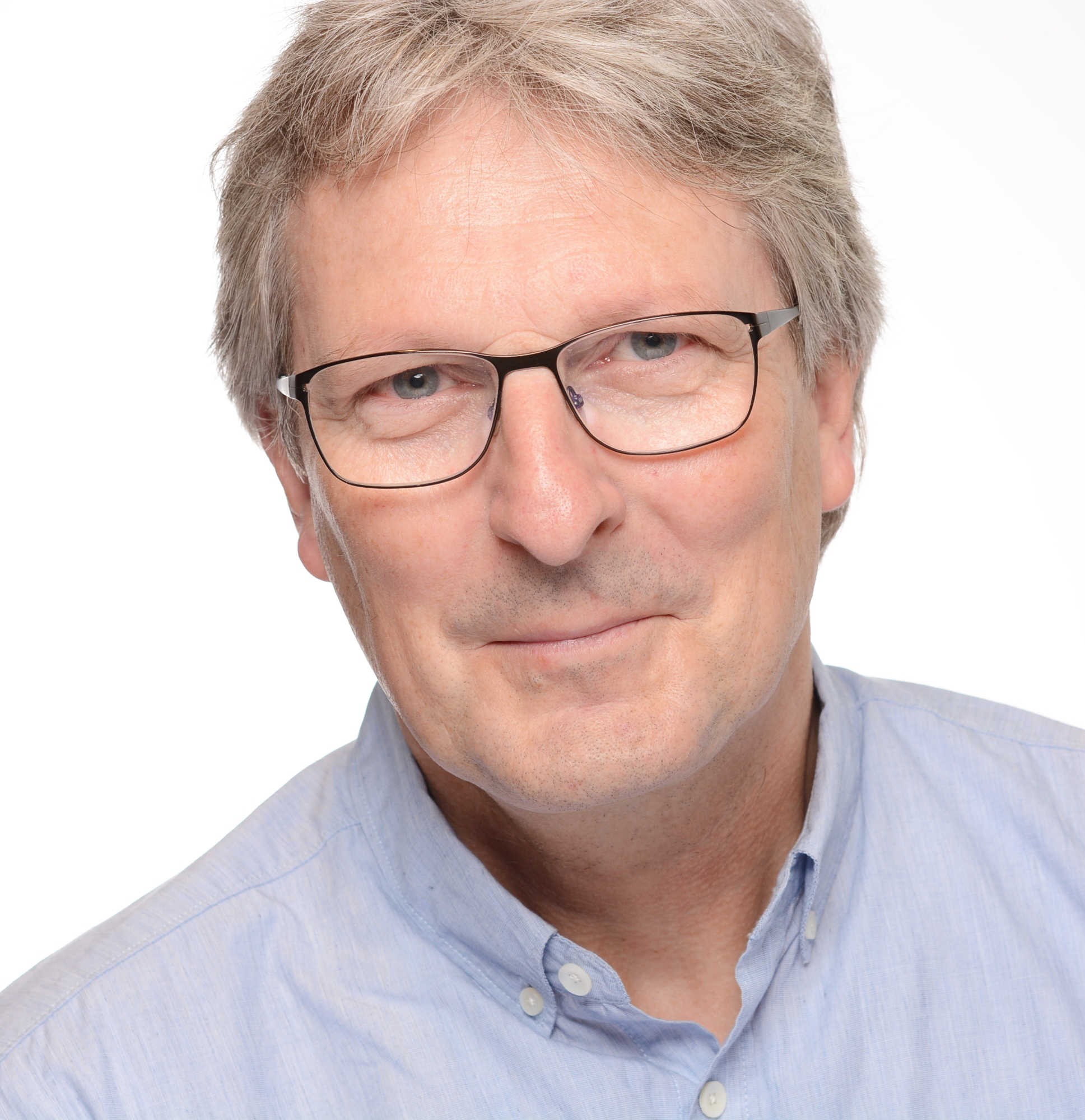
Prof. Dr. Michael Steiger
University of Hamburg, Germany
Crystallization in confinement: Solubility issues related to cultural heritage conservation
Research focus: Crystallization phenomena, salt weathering, and the physicochemical processes governing the deterioration of porous materials.
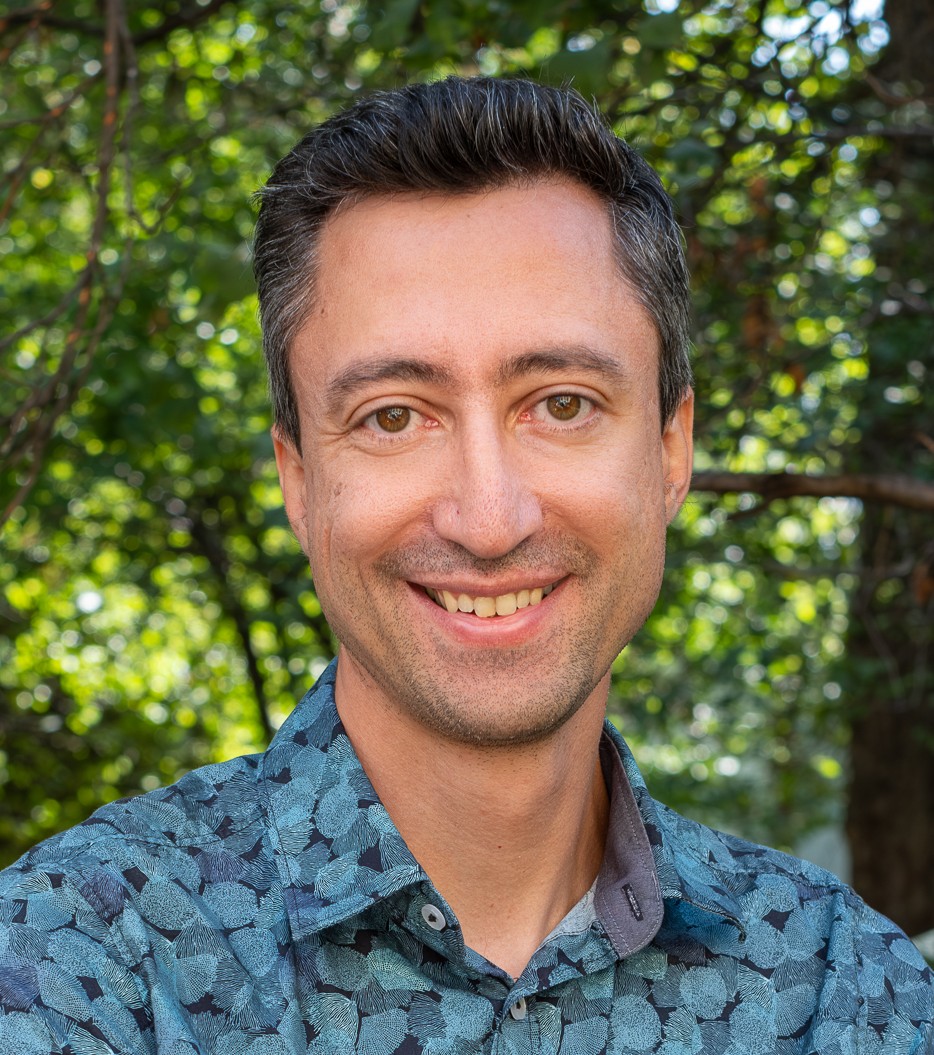
Assoc. Prof. Dr. Zahari Vinarov
Sofia University “St. Kliment Ohridski”, Bulgaria
The role of solubility and solubilization in pharmacy: from drug discovery to drug development
Research focus: Oral drug formulations, mechanisms of intestinal absorption, lipid-based drug-delivery systems, and the physicochemical processes controlling drug solubility and bioavailability.
Invited lectures
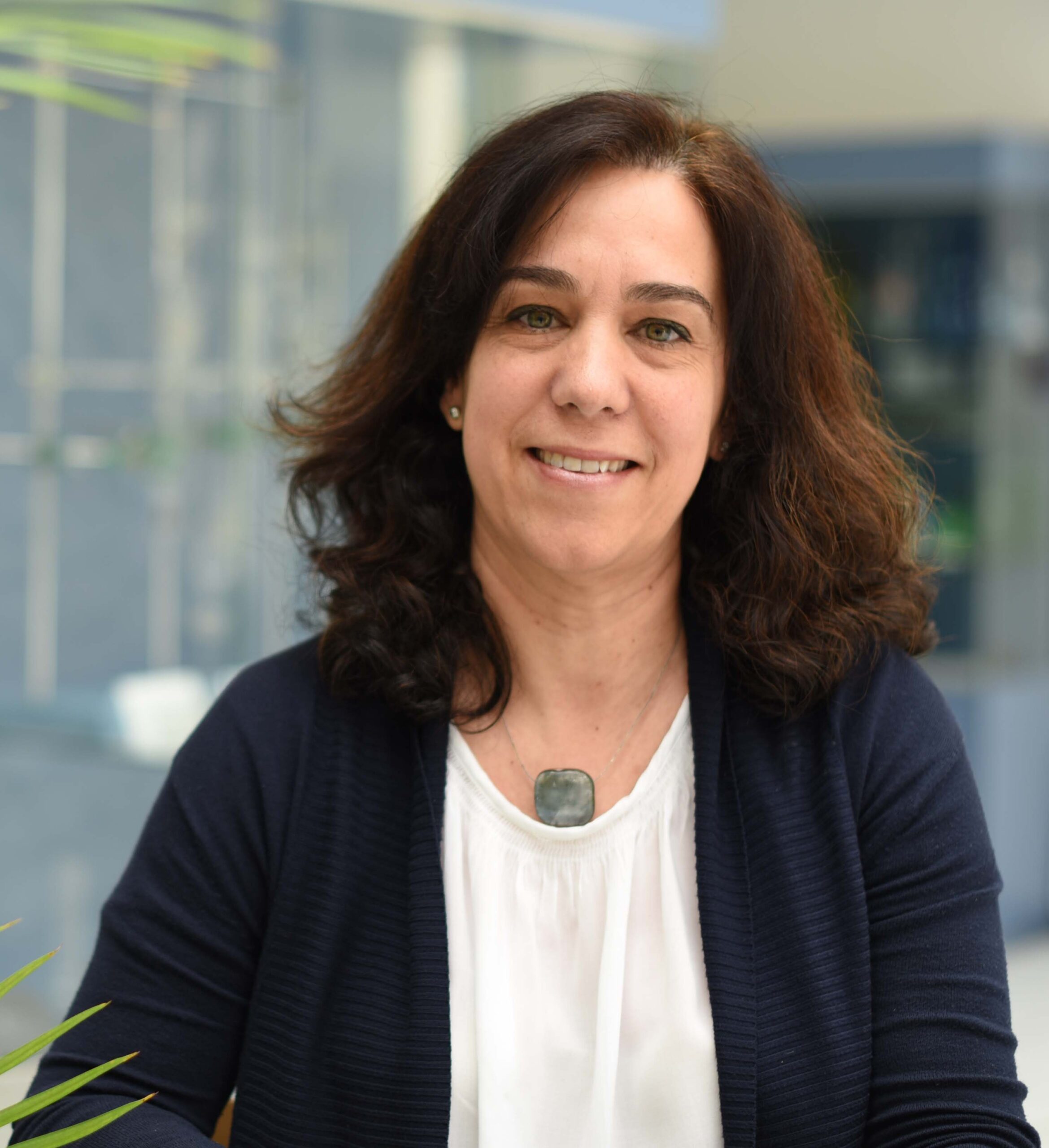
Prof. Dr. María Jesús Pascual
Institute of Ceramics and Glass, CSIC, Madrid, Spain
Corrosion of borosilicate glasses in molten salts
Research focus: Science and engineering of advanced glass and glass-ceramic materials, fundamental materials science, and practical applications in energy and photonics.
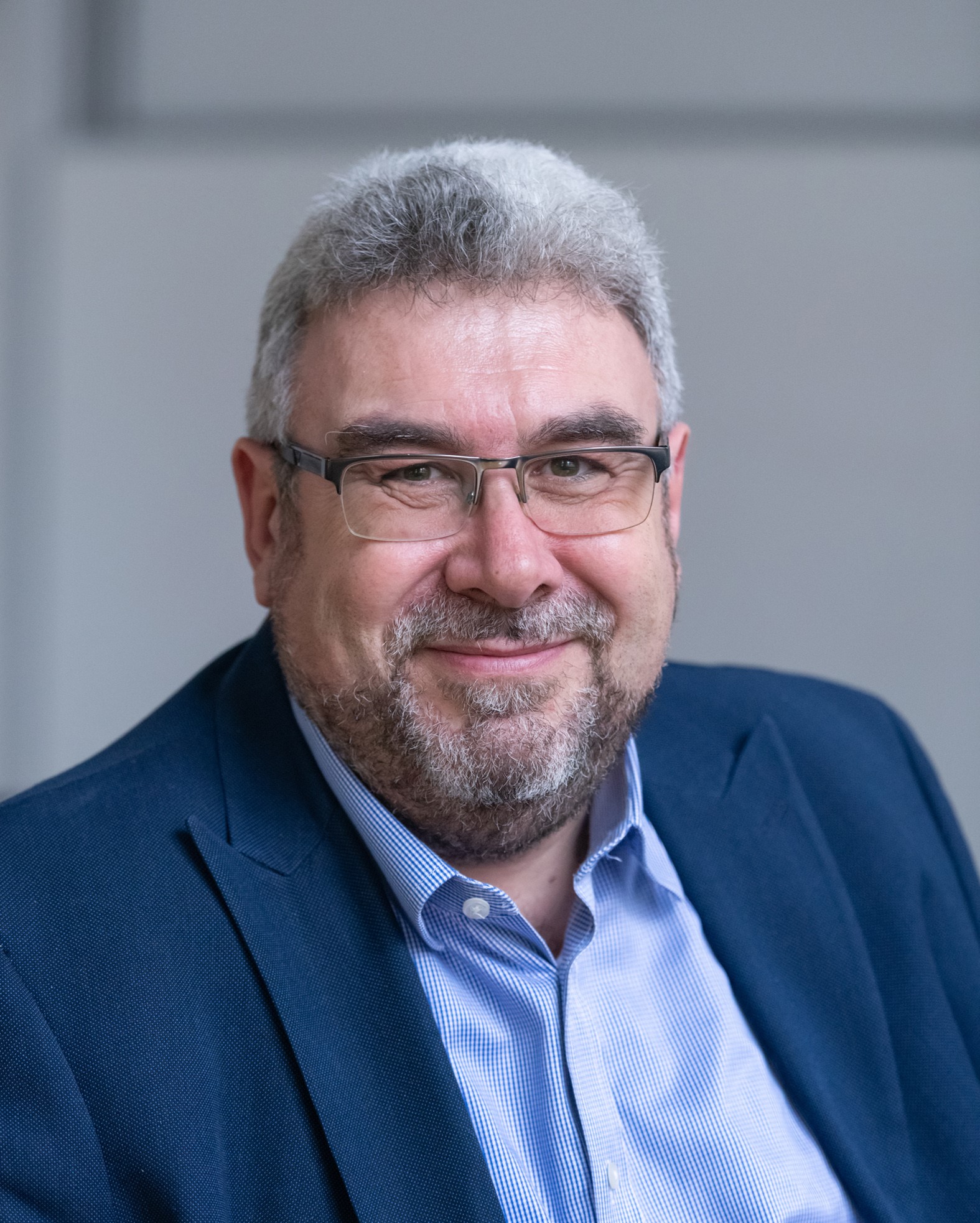
Peter K. Petrov
Department of Materials, Imperial College London, UK
Nanostructured Titanium Nitride Thin Film Arrays for Photocatalytic Applications
Research focus: Advanced functional oxide and nitride thin films, microfabrication technologies, and nanostructured materials for photonics, electronics, energy harvesting, biosensing, and sustainable technologies.
Oral presentations
Study on the coordination of N-hydroxyamides with iron(II) and iron(III)
Micellization behaviour of newly synthesized surfactant nicotine-based ionic liquids
Stability and solubility of Fe(II)-CO3 phase
Solution behaviour of Ni(II) mixed-ligand complexes containing polyether ionophore and glycine
Salt Effects on Amino Acid Solubility: Experimental, Molecular, and Data-Driven
Dielectric Spectroscopy and the ‘Wicked’ Problem of Electrolyte Solubilities
Solubility, Speciation, and Thermodynamic Modeling of Fe(II) in Repository-Relevant Systems from Near Neutral to Hyperalkaline Conditions
Solvent Parameters from Computational Chemistry
Thermodynamic Reference Database (THEREDA): Pitzer Activity Model for Tc(IV) Solubility and Complexation in the Tc(IV)–Na+–Cl−–HCO3−–CO32−–OH−–H2O(l) System
Thermodynamic Modeling of Rare Earth Solvent Extraction
Machine learning-driven screening of solvents for sustainable polylactic acid recycling
Understanding Drug Salt Solubility: Mechanistic Complexities and Practical Approaches
Tricyclic antidepressants solubility study: Role of Competing Counterions in Aggregation and Solid-Phase Transformations
Green chemistry solutions for antimalarial drug extraction and solubility enhancement
Menadione’s solubility in fatty acids predicted by the COSMO-SAC CS25 model
Phytochemical composition and in vitro inhibitory activity of herbal extracts against medically relevant enzymatic biological systems
Isolation, chemical characterization and modification with ferric ions of natural prebiotic herbal polysaccharide
How cation composition controls the structure and solubility of Pu(V) and Np(V) double carbonates
Chemical equilibrium models for calculation of metal chemical species in different types of surface waters
Synthesis of lithium hydroxide using barium hydroxide
Understanding and quantifying the thermodynamics of lanthanide extraction in hydrophobic eutectic solvents
Ligand–Diluent Interplay in the Extraction and Separation of Fe(III) by β-Dicarbonyl N-Heterocyclic Chelators
Catalytic, electronic and spectroscopic properties of imidazolium hydrogen squarate
Committees
International Scientific Committee
Local Organizing Committee
IGIC-BAS
IGIC-BAS
IGIC-BAS
IGIC-BAS
IGIC-BAS
IGIC-BAS
Burgas State University
Burgas State University
Burgas State University
Tailored Properties of Ionic Liquid Electrolytes for Sustainable Energy Storage Applications
The workshop stimulated collaborative interactions and consolidated a community of scientists working on ionic-liquid-based electrolyte systems. Its key objectives were to identify critical research challenges; standardize methodologies for measuring ionic-liquid properties—including solubility, viscosity, conductivity, redox potentials, phase transitions and heat capacity—and create a framework for a critically evaluated database tailored to energy-storage applications.
Workshop topics
- Electrolytes and ionic liquids: stability, ion transport, solubility limits, phase equilibria and interfacial properties
- Integrated computational approaches: molecular modeling, simulations and machine learning
- Optimization of electrolyte formulations for emerging battery technologies
- The role of solubility in degradation prevention and lifespan extension
Plenary lectures
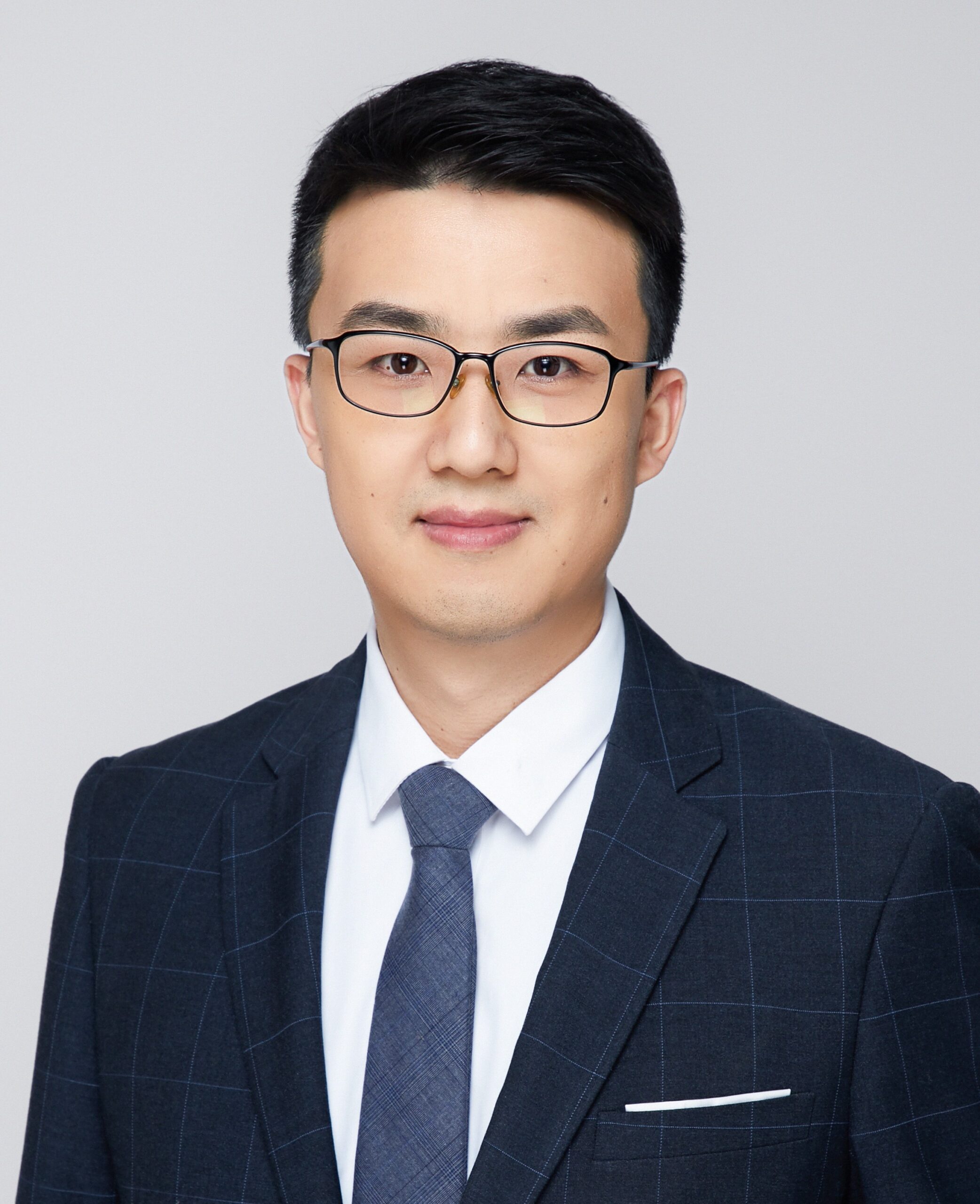
Prof. Dr. Xinpei Gao
School of Chemistry and Chemical Engineering, Hainan University, P. R. China
Research focus: Ionic-liquid and liquid-crystal electrolytes, with emphasis on colloid and interface phenomena and challenges in energy storage and conversion systems.
Prof. Dr. Gero Frisch
TU Bergakademie Freiberg, Germany
Research focus: Ionic liquids and their application in the dissolution, separation and recycling of precious metals and mineral resources; salt and mineral chemistry; electrochemistry; and the chemical foundations of metallurgy.
Oral presentations
Tapping into Electrical Double-Layer Formation in Ionic Liquid/Carbon Interfaces Using DC/AC/Pulsed X-Ray Photoelectron Spectroscopy
Decoding Anion Structure: Tailoring the Properties of Ionic Liquids for Targeted Applications
Ionic-Liquid-Based Composite Membranes for Efficient Greenhouse Gas Separation
Improving the Thermal Stability and Safety of Lithium-Ion Battery Electrolytes
Awards
Franzosini Prize
The Franzosini Prize recognizes outstanding and sustained contributions to the field of solubility and related chemical equilibria and memorializes the contributions of the late Paolo Franzosini, Professor of Physical Chemistry at the University of Pavia.
The prize is presented in conjunction with ISSP, organized by the IUPAC Subcommittee on Solubility and Equilibrium Data and held in even-numbered years.
Previous winners
- 2024 Cezary Gumiński (Poland) and Christian Ekberg (Sweden)
- 2022 Yongheum Jo (Korea)
- 2020 Johan Jacquemin (France) and Ricardo G. Simões (Portugal)
- 2018 Maria Gónzalez-Miquel (Spain) and Romain Privat (France)
- 2016 David Fellhauer (Germany)
Balarew Award
Nominations are invited for the Balarew Award for an Outstanding Young Scientist working in the field of critical evaluation of solubility and/or related chemical equilibria.
Since 2023, the IUPAC Subcommittee on Solubility and Equilibrium Data has presented the award to a young scientist working in the areas of solubility and/or homogeneous equilibrium data.
Previous winners
- 2025 Mónia Andreia Rodrigues Martins (Portugal)
- 2024 Märt Lõkov (Estonia)